
Como escolher as cores de tecido Mini Matt para pedidos em grande quantidade?
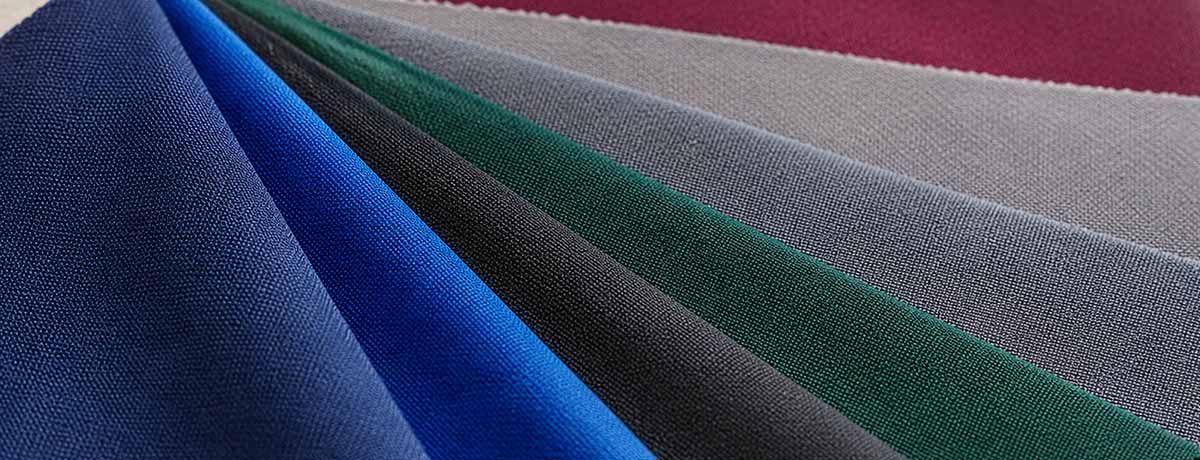
O tecido Mini Matt é um poliéster tingido em peça que retém a cor excepcionalmente bem, razão pela qual domina os programas de uniformes e roupas de trabalho. A maioria das fábricas mantém um catálogo com mais de 50 cores (azul-marinho, preto, azul-royal, verde-garrafa e cinza são as mais solicitadas), além da opção de correspondência personalizada com a escala Pantone para pedidos acima de uma quantidade mínima de tingimento.
Para compradores B2B, as duas decisões que realmente importam são a solidez da cor e a consistência do lote de tingimento em novas encomendas. A cor influencia 87% das decisões de seleção de produtos — para uniformes, isso significa que a cor da sua marca precisa resistir à lavagem, e não apenas à amostra.
Por que as cores do tecido Mini Matt são uma decisão de fornecimento, e não uma escolha de estilo?
Em 2026, 87% dos consumidores citam a cor como o principal fator na escolha de um produto. Para um comprador B2B que busca tecido mini fosco, essa estatística se traduz em uma exigência fundamental: a cor aprovada na amostra deve ser a cor que chega ao produto, lote após lote, lavagem após lavagem.
Este guia foi escrito para as pessoas que assumem esse risco — fabricantes de uniformes, atacadistas de roupas de trabalho, gerentes de compras que administram programas em várias unidades e fábricas de vestuário que compram tecido mini fosco, do cru ao acabado, em grande volume, e que normalmente fazem parceria com grandes fornecedores globais de acessórios para vestuário, como Ningbo, MH.


A situação é familiar. Uma amostra parece perfeita, o lote chega com uma tonalidade um pouco diferente, e um pedido de 5,000 metros se transforma repentinamente em uma negociação em vez de uma simples entrega. A cor é o ponto de partida da maioria das disputas sobre tecidos para uniformes.
Recomendação Rápida
Para a maioria dos programas de uniformes e roupas de trabalho, encomende tecido mini fosco tingido em peça com gramatura de 200 a 240 g/m² em uma cor padrão e especifique solidez mínima da cor de Grau 4 à lavagem (ISO 105-C06) e Grau 4-5 à luz (ISO 105-B02). Isso atende à grande maioria das necessidades institucionais sem a necessidade de pagar um valor adicional por tingimento personalizado.
- Cores padrão (azul-marinho, preto, azul-royal, verde-garrafa, cinza) → encomende a partir do catálogo de cores em estoque. Prazo de entrega rápido, sem quantidade mínima de tingimento, solidez comprovada.
- Cor da marca/Pantone → solicite um tingimento personalizado, espere uma quantidade mínima de tingimento (normalmente 300 a 500 metros por cor) e aprove uma amostra de laboratório antes da produção em massa.
- Uso externo/alta exposição aos raios UV → aumente a resistência à luz para o Grau 5 e faça um teste de lavagem na temperatura em que você normalmente lava suas roupas.
- Programas com múltiplas unidades/repetições → a prioridade é a tolerância entre lotes de corantes. Defina um acordo Delta E ≤ 1.0 antes da primeira execução.
O tecido mini matte é um poliéster tingido em peça, que retém o corante disperso profundamente na fibra e oferece alta resistência à lavagem e à luz — tipicamente grau 4 a 5 na escala ISO 105 quando processado corretamente. Para compradores de uniformes B2B, essa resistência é o principal motivo pelo qual o mini matte supera o poliéster rígido mais barato em vendas em programas institucionais.
O que determina a qualidade da cor do tecido Mini Matt?
A qualidade da cor do tecido mini matte depende de três fatores controláveis: a composição química do corante, o método de tingimento e a solidez da cor. Como o mini matte é tecido com poliéster, ele é tingido com corantes dispersos — a única classe de corantes que se liga de forma confiável à fibra de poliéster, sendo essa uma característica fundamental de alta qualidade. Tecido mini fosco 100% poliéster.
1. Tingimento em peça versus tingimento em fio. O tecido mini matt padrão é tingido em peça: o tecido é colocado no banho de tingimento como um rolo acabado. Isso proporciona uma cor uniforme e sólida em toda a largura e é economicamente vantajoso em grandes volumes, razão pela qual domina o mercado de tecidos de qualidade uniforme. tecido de poliéster mini fosco Fornecimento. Existem variantes tingidas em fio ou em solução para necessidades de extrema solidez da cor, mas têm um preço mais elevado e um prazo de entrega mais longo.
2. Dispersão do corante e fixação térmica. Os corantes dispersos são aplicados no poliéster a alta temperatura (normalmente 130 °C) e, em seguida, fixados por calor. Um tecido mini fosco fixado corretamente por calor resiste à migração e ao desbotamento que afetam o poliéster com processamento inadequado. É por isso que uma cor barata pode manchar uma camisa branca, enquanto uma cor tingida corretamente não.
3. O resultado da solidez da cor. A qualidade da cor é, em última análise, medida, não descrita. A série ISO 105 classifica a resistência da cor à lavagem, fricção, luz e transpiração em uma escala de 1 a 5, onde 5 é a melhor classificação. Um comprador que especifica classificações compra cores previsíveis. Um comprador que especifica apenas um número Pantone compra uma cor incerta.
Paleta de Cores Mini Matte Padrão
A maioria das pequenas fábricas de tinta fosca mantém um catálogo de cores com 50 a mais de 100 tonalidades, e cerca de uma dúzia delas representa a maior parte do volume de pedidos B2B. Em 2026, o azul continua sendo a cor preferida, com 36%, e há um aumento considerável no verde escuro entre o público mais jovem — uma preferência que se reflete diretamente nos dados de pedidos de uniformes.
| Família Shade | Cores comuns | Aplicação típica |
|---|---|---|
| Azul-marinho | Azul marinho, azul royal, azul celeste, azul da força aérea | Corporativo, escolar, segurança, saúde |
| Cinza escuro | Preto intenso, carvão, cinza chumbo, cinza prateado | Hospitalidade, corporativo, vestuário de trabalho formal |
| Verde | Verde-garrafa/verde-floresta, verde-oliva, verde-sálvia | Serviços médicos, escolares e de alimentação |
| Vermelho/bordô | Vermelho, bordô, vinho | Blazers escolares, varejo de marca, eventos |
| Terra / neutro | Bege, cáqui, marrom, pedra | Vestuário de trabalho, transporte, pessoal ao ar livre |
| Alta visibilidade adjacente | Laranja real, amarelo brilhante (com listras) | Funções relacionadas à segurança e a eventos |
As cores azul-marinho e preto, sozinhas, costumam representar mais da metade do volume total de pedidos de tinta fosca em uniformes, pois transmitem profissionalismo, disfarçam manchas e ficam nítidas em fotos sob iluminação institucional. Tons mais claros de tinta fosca refletem mais luz do que os mais escuros, o que pode alterar sua aparência sob a mesma iluminação institucional. Cores de estoque de alto volume geralmente têm os menores prazos de entrega, o histórico de lotes de tingimento mais consistente e não exigem quantidade mínima para tingimento personalizado.
Aplicações: Como a escolha de cores se relaciona com o setor
A escolha de cores em mini fosco raramente é livre — ela é ditada por convenções do setor, regras da marca e necessidades de visibilidade. O mercado global de uniformes e roupas de trabalho atingiu US$ 84.5 bilhões em 2025 e a projeção é de que chegue a US$ 144.1 bilhões em 2034, e a disciplina de cores é o que mantém esses programas visualmente coerentes em grande escala.
Uniformes escolares
A maior categoria de cores individuais para blazers mini foscos. Azul-marinho, verde-garrafa, bordô, azul-royal e cinza predominam, geralmente combinando com uma cor tradicional da escola. A consistência do lote de tingimento é crucial aqui, pois as escolas refazem os pedidos a cada trimestre e os pais percebem quando os blazers não combinam.
Corporativo e hotelaria
Preto, cinza-carvão e azul-marinho são as cores principais para uniformes de hotelaria, toalhas de mesa e outras peças duráveis, como aventais, escolhidas por sua apresentação sofisticada e baixa sujidade — 79% dos consumidores consideram o preto uma cor premium. Tons personalizados que combinam com a marca são comuns nesse setor, o que reforça a importância da correspondência com a escala Pantone.
Segurança e transporte
Azul-marinho e preto transmitem autoridade, frequentemente combinados com detalhes de alta visibilidade. A resistência à luz é crucial, pois a exposição ao ar livre desbota as cores mais fracas em uma única estação.
Suporte médico e clínico
Tons calmantes de azul e verde, com alta resistência à transpiração e à lavagem para lavagens frequentes em água quente; códigos de vestimenta às vezes combinam mini fosco sólido com tecidos leves. tecido de chiffon para uniformes e acessórios em funções clínicas relacionadas à área da hotelaria.
Guia de comparação e seleção de cores
Escolher a paleta de cores ideal para seu mini fosco se resume a uma pergunta: sua cor é padrão ou personalizada? A tabela abaixo ajuda a tomar essa decisão.
| Fator | Sombra padrão | Correspondência Pantone personalizada |
|---|---|---|
| Tempo de espera | Mais curto (em estoque ou tingimento rápido) | Mais tempo (imersão em laboratório + corante em massa) |
| Pedido mínimo | Frequentemente não há quantidade mínima de corante | Quantidade mínima de corante por cor (normalmente 300–500 m) |
| Risco de cor | Baixo — histórico comprovado de lotes de tingimento | Gerenciado por meio de aprovação de teste laboratorial. |
| Custo | Mínimo | Premium para tingimento personalizado |
| Destaques | Padrões para uniformes escolares, corporativos e de trabalho | Eventos corporativos, de varejo e de varejo com identidade visual alinhada à marca. |
Solicite cartelas de cores e um orçamento.
A maneira mais rápida de minimizar os riscos da coloração é começar com a cartela de cores física e uma amostra de laboratório — não com uma tela. Envie sua solicitação para a MH para receber:
- ✓ O mini matte completo cartela de cores padrão para sua referência
- ✓ A mergulho de laboratório correspondendo à sua amostra Pantone ou física.
- ✓ Declarado graus de solidez ISO 105 para sua aplicação
- ✓ A cotação de produção com MOQ, termos de lote de tingimento e prazo de entrega
Informe à MH as cores desejadas, a gramatura (GSM), a quantidade e o uso final — e a equipe retornará um orçamento específico para cada cor, com um cronograma e soluções personalizadas que criam designs exclusivos e ajudam a ampliar sua linha de produtos; entre em contato com a MH para consultoria ou mais informações.
Perguntas frequentes
Em quantas cores está disponível o tecido mini fosco?
A maioria das fábricas de mini-foscos mantém um catálogo de cores padrão com 50 a mais de 100 cores, abrangendo todo o espectro de cores uniformes — azul-marinho, preto, azul-royal, verde-garrafa, cinza, bordô, bege e muito mais. Além do catálogo padrão, cores personalizadas com correspondência Pantone estão disponíveis mediante uma quantidade mínima de tingimento. Somente o azul-marinho e o preto geralmente representam mais da metade do volume de pedidos de mini-foscos para o mercado B2B.
Qual é o melhor grau de solidez da cor para um acabamento fosco uniforme?
Especificar grau 4 mínimo para lavagem (ISO 105-C06) e grau 4-5 para resistência à luz (ISO 105-B02), elevando a resistência à luz para grau 5 para uso externo. A escala ISO 105 varia de 1 a 5, sendo 5 o melhor. O poliéster mini fosco, tingido e termofixado corretamente, atinge com segurança o grau 4-5, razão pela qual é adequado para lavagem institucional.
É possível combinar a cor do tecido mini fosco com uma cor Pantone personalizada?
Sim. O tecido Mini Matt é 100% poliéster e geralmente é fornecido com 150 cm de largura, podendo ser tingido sob encomenda com base em uma referência Pantone fornecida ou em uma amostra física. A melhor prática é aprovar uma amostra física do tecido de poliéster antes da produção em massa, pois as referências Pantone impressas e serigrafadas não reproduzem a superfície real do tecido. Cores personalizadas geralmente exigem uma quantidade mínima de tingimento e um prazo de entrega maior do que as cores padrão.
A cor escura do mini fosco mancha a pele ou outros tecidos?
Não deveria haver transferência de cor por atrito, desde que a resistência à fricção (ISO 105-X12) seja especificada como Grau 4 ou superior. A transferência de cor por fricção ocorre com poliéster escuro subprocessado ou sublavado, especialmente em tons de azul-marinho e preto. Um tecido mini fosco, corretamente fixado a quente e com acabamento em redução, resiste a esse problema, e a combinação de uniformes com tecidos de alta qualidade é essencial. fio de bordado de poliéster Ajuda a manter a integridade da cor do logotipo nas mesmas condições. Sempre especifique o grau de resistência ao atrito para cores escuras.
Algumas cores de miniaturas foscas são mais fáceis de encontrar do que outras?
Sim. Cores padrão de alto volume — azul-marinho, preto, azul-royal, cinza, verde-garrafa — geralmente têm os prazos de entrega mais curtos, o histórico de lotes de tingimento mais consistente e não exigem quantidade mínima para tingimento personalizado. Cores Pantone personalizadas exigem um processo de aprovação em laboratório, além do tingimento em grande escala, o que aumenta o tempo de produção. Para prazos apertados, solicitar à fábrica a tonalidade padrão mais próxima é a opção mais rápida.
Conclusão
As cores do tecido fosco não são um mero detalhe de acabamento — para um comprador B2B, são a parte do pedido com maior probabilidade de gerar disputas e, ao mesmo tempo, a que melhor contribui para a construção da marca. O próprio tecido é versátil: o poliéster tingido em peça retém o corante disperso profundamente na fibra, proporcionando a solidez da cor de grau 4-5 exigida para uniformes institucionais.
O trabalho está na especificação. Escolha cores padrão sempre que possível, exija uma amostra de laboratório quando não for possível, escreva as classificações de solidez ISO 105 para sua aplicação e defina uma tolerância de lote de tingimento para qualquer item que você vá encomendar novamente. Faça essas quatro coisas e a cor deixa de ser um risco e se torna um insumo controlado.
