
Fio de algodão grosso: um guia de compra B2B para fios de algodão de alta resistência.
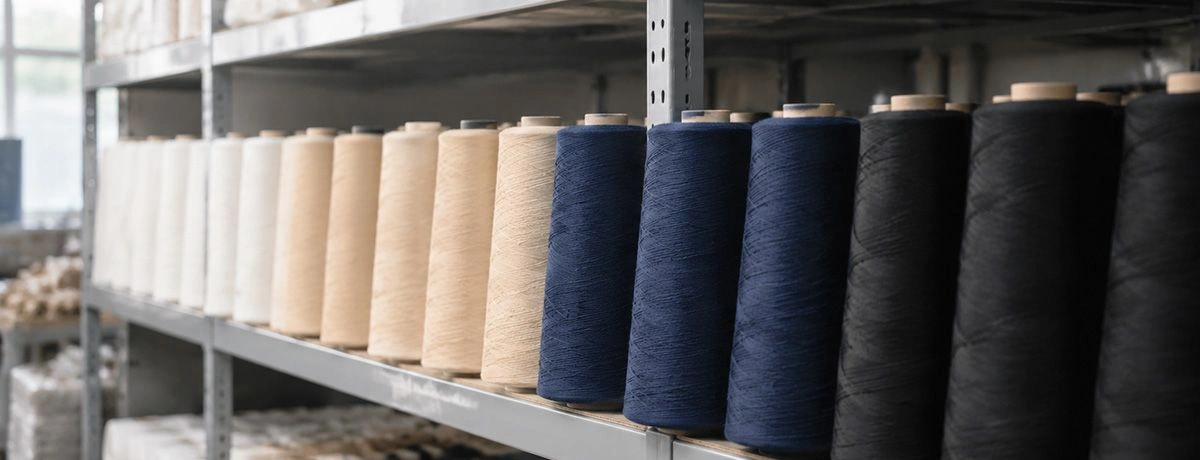
A linha grossa de algodão é uma linha de costura resistente, feita com um fio mais grosso e de baixa contagem de fios, ideal para costuras que suportam peso: jeans, roupas de trabalho, estofados, lona e bolsas. Para um comprador, fabricante de vestuário ou equipe de sourcing de uma marca, a decisão não é "o algodão é bom?", mas sim "qual código de preço, qual quantidade mínima de pedido, qual certificação e qual o custo final".
Este guia explica como o fio grosso de algodão é definido e medido pelo número Tex ou pelo código de barras, em vez do rótulo vago "grosso", e como ele supera o poliéster em desempenho, sendo mais adequado para aplicações B2B.
Principais lições
- "Espesso" não é uma especificação. Encomende por Tex ou número do bilhete Além disso, há a questão da fibra e do acabamento, ou então dois fornecedores podem enviar fios diferentes com o mesmo nome.
- O poliéster aguenta aproximadamente 46% do mercado de linhas de costura Em termos de custo e durabilidade, o fio grosso de algodão se destaca quando se exige uma fibra natural, resistência ao calor da prensa ou um acabamento fosco.
- Antes de qualquer encomenda em grande quantidade: confirme por escrito o código Tex/ticket, o comprimento do cone, o padrão de cor e o estatuto OEKO-TEX, e realize um teste de lavagem com um cone de amostra.
O que é um fio grosso de algodão?
A linha grossa de algodão é uma linha de costura de baixa contagem (pesada) fiada a partir de fibras de algodão torcidas, projetada para que a costura final resista à ruptura sob tensão. O nível de torção e o número de fios, e não apenas a espessura bruta, determinam a resistência: uma construção de 3 fios com torção mais apertada distribui a carga melhor do que um fio simples com torção mais frouxa e proporciona uma aparência de superfície mais limpa. É a linha utilizada em calças jeans com pesponto, sacolas de lona, bordas de colchões e colchas pesadas. Fio de algodão mercerizado Geralmente, a opção mais adequada é um acabamento liso e com pouca penugem em costuras visíveis, enquanto opções mais finas, como o fio dental, são usadas de forma diferente para trabalhos decorativos, em vez de costuras grossas.
Dois compradores podem dizer "fio grosso de algodão" e se referir a fios com uma diferença de 40% no diâmetro. É por isso que a especificação, e não o adjetivo, é o que deve constar no pedido de compra. Veja nossa linha de fios de algodão para conhecer as construções que utilizamos, ou este link. Linha de costura 20/2 100% algodão como artigo de referência.
Como se mede, na prática, a espessura de um fio de algodão?
Encomende pelo número, não pelo tato. A linha industrial é especificada em três sistemas, e quanto maior o número da etiqueta, mais fina a linha, o que confunde os compradores iniciantes. Não assuma que os diferentes sistemas de numeração sejam intercambiáveis; uma comparação visual ou por amostra é útil. Exija que o sistema e o valor estejam escritos na fatura pró-forma; apenas "algodão grosso" não é um orçamento válido.
| System | O que mede | Lendo-o |
|---|---|---|
| Tex | Gramas por 1,000 m de fio | Teor Tex mais alto = espessura maior (Tex 60 > Tex 30) |
| Ne / Contagem de Algodão | Meadas de 840 jardas por libra | Contagem de fios mais baixa = fio mais espesso (20/2 > 40/2) |
| Bilhete nº. | Rótulo comercial, relativo à marca | Bilhete mais caro = multa mais alta; não é uma unidade verdadeira. |
Para trabalhos pesados com algodão, os compradores geralmente optam pela faixa Tex 40-80 (aproximadamente entre os números 20 e 40), e em termos de peso, um fio de espessura 30 é mais grosso que um fio de espessura 40. Se você não tem certeza de como esses valores são convertidos, confira nossa análise detalhada sobre Contagem de fios de costura, Tex e denier Explica os cálculos com exemplos. Passar amostras de fios entre os dedos também pode ajudar a comparar espessuras entre diferentes sistemas.
Por que escolher fios grossos de algodão em vez de poliéster ou uma mistura de ambos?
Escolha algodão quando a fibra em si for o requisito; escolha poliéster quando a relação custo-benefício for o fator mais importante. Os fios de poliéster lideram o mercado com cerca de 46% de participação, graças à durabilidade e ao preço, e linhas de alta velocidade, que operam com 5,000 a 7,000 pontos por minuto, preferem o poliéster fiado devido à baixa taxa de quebra. Então, em quais situações o algodão ainda se destaca?
| Propriedade | Fio grosso de algodão | Fio de poliéster grosso |
|---|---|---|
| Etiqueta de fibra natural | Sim (linhagens orgânicas/tradicionais) | Não |
| tolerância ao calor (prensagem) | Alta resistência, não derrete nem vitrifica. | Pode vitrificar em altas temperaturas de ferro. |
| Brilho | Acabamento fosco (estilo jeans/roupa de trabalho) | Leve brilho |
| Resistência à abrasão/tração | Boa | Mais elevado |
| Recuperação de alongamento | Baixo | Mais elevado |
| Custo relativo | Maior (vinculado às culturas) | Inferior (ligado ao petróleo) |
Em nossa experiência, os compradores que especificam linha grossa de algodão fabricam jeans, produtos tradicionais/com ourela, colchões e estofados, roupas ou vestuário com certificação orgânica, onde uma linha de costura de poliéster comprometeria a certificação. Por outro lado, a seda geralmente é escolhida para aplicações mais finas e delicadas, onde um acabamento liso é mais importante, enquanto o algodão grosso é selecionado por sua durabilidade e aparência fosca. Se o uso final for puramente estrutural, sem exigência de fibra específica, um poliéster colado ou um fio de núcleo fiado Geralmente, é a resposta mais barata e eficaz, e vale a pena compará-las lado a lado.
Quais são as melhores aplicações B2B para fios grossos de algodão?
A escolha da linha de costura depende da função da costura, e o volume de consumo se divide em quatro grupos de compradores. Os fabricantes de vestuário dominam o consumo de linhas em geral, representando aproximadamente 59% da demanda final, e, dentro do segmento de algodão, a demanda se concentra em algumas categorias de bens duráveis:
-
Jeans e roupas de trabalho — Linha de pesponto com aparência de algodão fosco e resistência ao calor durante prensagem pesada. Combine com o produto certo. linhas de costura para juntas de construção.
-
Estofados, colchões e artigos têxteis para o lar. — O algodão grosso suporta costuras multicamadas e resiste ao calor das fitas de borda e das máquinas de acolchoamento.
-
Bolsas, lonas e acessórios — costuras grossas visíveis onde a linha faz parte do desenho, e em linhas de produtos selecionadas também é comumente usada para alinhavar e bordar com fio de bordado de rayon especializadoO resultado final depende das técnicas e dos pontos escolhidos em cada projeto.
-
Marcas de patchwork e artesanato comprando em grande escala — o caso de uso original para o consumidor, mas comprado em cones/caixas, não em carretéis, para diversos projetos; para enfeites visíveis e costura decorativa, o algodão perlé é uma opção especializada relacionada.
Por que escolher o fio de algodão grosso da MH?
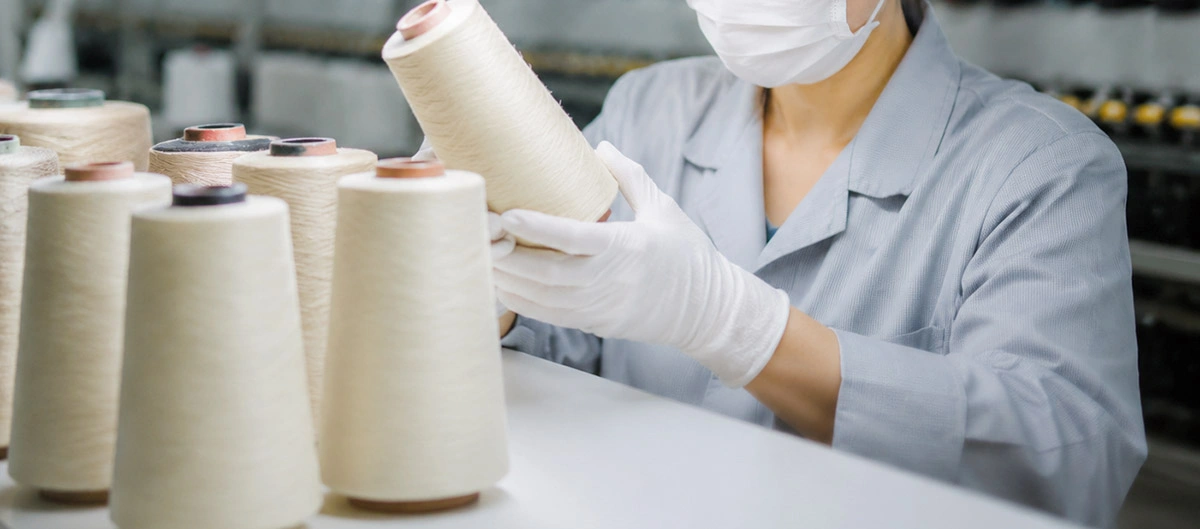
A MH (Ningbo MH Industry Co., Ltd.) é uma fabricante e fornecedora chinesa de tecidos e acessórios para vestuário, incluindo algodão e... Fios de costura 100% poliéster fiado, atendendo compradores B2B, fábricas de vestuário e equipes de sourcing de marcas em todo o mundo, além de dar suporte a bordados e compradores de costura em todo o mundo. Para um comprador de suprimentos, essa posição centralizada é o ponto crucial: você pode consolidar linhas, fios e aparas e combinar o tecido em menos pedidos de compra, com menos fornecedores e um único padrão de controle de qualidade, em vez de ter que procurar uma fábrica de fios diferente para cada cor.
O que isso significa na prática para um comprador de produtos sourcing:
- ✓Preços diretos do fornecedorSem margem de lucro da empresa comercial entre você e a linha de produção.
- ✓Flexibilidade de especificaçãoNúmeros de estoque para reabastecimento rápido, além de texturas personalizadas, camadas e diferentes gramaturas, como... Linha de costura de poliéster fiado 40s/2 e tingimentos em cores para imersão em laboratório, com opções de embalagem em meadas quando aplicável.
- ✓Qualidade documentadaDocumentação OEKO-TEX e ISO disponível mediante solicitação; consulte nossa página de certificado.
- ✓Auditorias por parte do comprador são bem-vindas.: veja a operação em nosso perfil da empresa.
Esta gama de produtos pode atender às necessidades de compradores de empresas de bordados interessados tanto em linhas decorativas quanto em costura de alta resistência.
A MH fornece linhas e acessórios para compradores de exportação desde 1999. Para solicitar um orçamento, envie o número do pedido, a cor desejada e a quantidade através da página de contato e retornaremos com uma recomendação de produto e um orçamento.


Quais erros de fornecimento os compradores devem evitar?
A maioria dos problemas com roscas são problemas de encomenda, não de fabricação. Os problemas mais dispendiosos repetem-se:
-
Ordenação por adjetivo — "Algodão grosso" sem etiqueta Tex significa que você não pode comparar orçamentos nem exigir que o fornecedor siga uma especificação.
-
Ignorando a apresentação — Um preço por cone mais barato em cones mais curtos pode custar mais por metro e mais tempo de inatividade da máquina para trocas.
-
Ignorando o teste de habitabilidade do esgoto — Uma linha que parece estar em boas condições no cone ainda pode romper em uma linha de alta velocidade, portanto, o teste deve confirmar a tensão da máquina e o tamanho correto da agulha para a espessura da linha selecionada, sendo que linhas mais grossas geralmente exigem um tamanho maior.
-
Mistura de lotes de corante — A repetição da mesma cor em lotes diferentes pode causar variações visíveis de tonalidade nas costuras decorativas.
-
Buscando um preço que esteja 15% ou mais abaixo do valor de mercado. — A economia geralmente se esconde em cones mais curtos, torção mais fraca ou fibra regenerada, e as ferramentas e a configuração corretas ajudam a proteger a integridade da costura.
Antes de avaliar o desempenho, escolha a agulha correta e substitua as agulhas desgastadas. Evite agulhas de cinco pontas e opte por linhas grossas de algodão, pois são uma compra de baixo risco e com resultados consistentes.
Pronto para especificar um pedido de linha grossa de algodão?
Envie o número do seu pedido, a cor desejada e a quantidade desejada, e a MH retornará com uma recomendação de artigo e um orçamento. Navegue pelos nossos fios de algodão ou solicite cones de amostra.
Ver fios de algodão Solicite amostras de cones.
Resumo
A linha grossa de algodão conquista seu espaço em jeans, roupas de trabalho, estofados e linhas tradicionais, onde uma fibra natural, acabamento fosco e resistência ao calor da prensa são importantes, em um mercado de linhas de costura que deve atingir US$ 4.84 bilhões até 2034. Compre como um profissional: especifique Tex ou ticket em vez de "grossa", combine a quantidade de fios e a apresentação com sua linha, confirme a cor e o lote de tingimento por escrito e verifique com cones de amostra e documentação OEKO-TEX antes do depósito. Pronto para fazer um pedido? Navegue em nosso catálogo. fios de algodão ou solicite amostras de cones através do página de contato.
Perguntas frequentes
Qual é o tamanho de um "fio grosso de algodão" no Texas ou em números de bilhetes?
A linha de algodão resistente geralmente fica na faixa de Tex 40 a 80, aproximadamente equivalente a um ticket de 20 a 40. Lembre-se que os sistemas funcionam de maneira oposta: um Tex mais alto significa linha mais grossa, enquanto um ticket mais alto significa linha mais fina.
Para produção B2B de grande porte, qual linha é melhor: algodão ou poliéster?
Depende da necessidade. A lã é mais macia e texturizada, enquanto o fio grosso de algodão mantém-se mais firme, garantindo costuras duráveis. O poliéster lidera o mercado com cerca de 46% de participação, considerando resistência e custo, e é ideal para linhas de produção de alta velocidade. O fio grosso de algodão é a melhor opção quando se busca uma etiqueta de fibra natural, resistência ao calor durante a prensagem ou um acabamento fosco semelhante ao jeans/roupa de trabalho. Além disso, quem costura linho pode preferi-lo ao poliéster devido à compatibilidade com outras fibras. Para costuras que apenas suportam carga, sem exigência de uma fibra específica, o poliéster colado ou fiado em núcleo geralmente é mais barato e resistente.
Como posso verificar a qualidade do fio de algodão antes de fazer um pedido em grande quantidade?
Solicite cones de amostra do produto exato, teste a resistência da cor à lavagem e verifique se ela encolhe ou não, e faça um teste de costura em retalhos de tecido na velocidade de produção. Mesmo um pequeno teste em retalhos pode revelar problemas de tensão, costura ou ruptura antes do uso em larga escala. Solicite a documentação OEKO-TEX Standard 100 e ISO 9001, e a certificação GOTS, caso seja algodão orgânico.
A MH pode fornecer tecido e outros acessórios que combinem com a linha?
Sim. A MH fabrica tecidos e acessórios para vestuário, além de linhas de costura, e também oferece Opções de linha de costura em poliéster fiado 40/2 e outras opções de linhas de bordado para encomendas decorativas, permitindo que os compradores consolidem linhas, aviamentos e tecidos com um único fornecedor e um único padrão de controle de qualidade, em vez de adquirir cada item separadamente. O algodão perlé geralmente vem nos tamanhos 3, 5, 8 e 12, enquanto o fio de algodão comum é divisível em seis fios; para trabalhos decorativos mais delicados, como frivolité, os compradores podem misturar tipos de linha de acordo com a aplicação.
