
Os melhores materiais de lona: propriedades e usos explicados
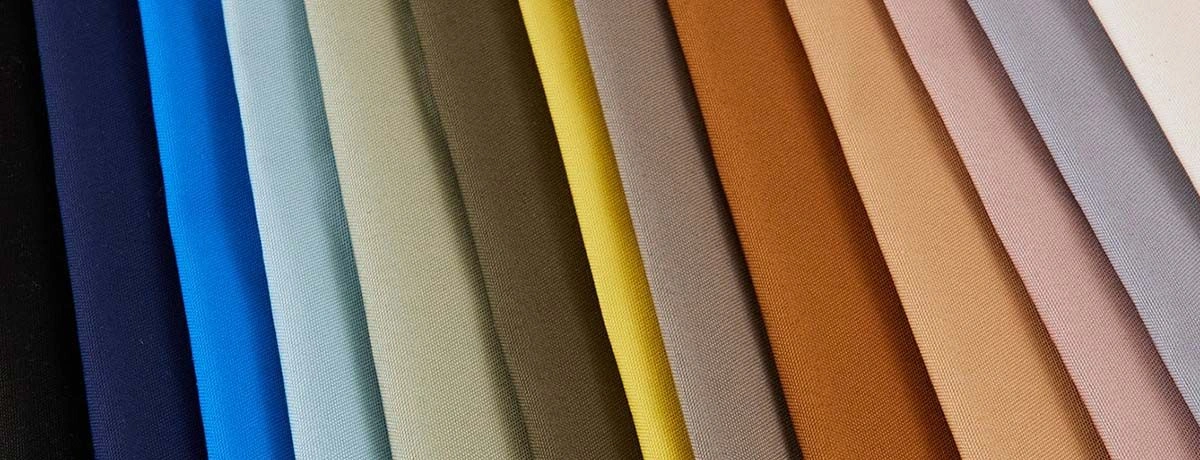
A lona é um tecido pesado, de trama simples, definido pela sua construção e gramatura, e não por uma única fibra. Ela utiliza fios grossos entrelaçados em um padrão simples de sobreposição, o que confere à lona sua opacidade, superfície compacta e alta resistência ao rasgo. Como "lona" descreve a trama, o mesmo tecido pode ser feito de algodão, poliéster, misturas de algodão e poliéster, linho ou cânhamo, e sua especificação é feita com muito mais frequência por gramatura (em onças por jarda quadrada ou GSM) do que apenas pela fibra. Essa distinção é exatamente o que um comprador precisa entender corretamente em um pedido de compra.
O que é o material da tela? (Definição)
Os tecidos de lona são pesados, de trama simples, feitos com fios grossos e ásperos; ao contrário do jeans e de outros tecidos pesados de algodão que usam uma trama diagonal. sarja O tecido canvas utiliza uma trama reta, com fios sobrepostos, que o diferencia de tecidos lisos mais leves, como o popeline ou o cambraia. A palavra "canvas" deriva do latim "cannabis", que significa "cannabis" em inglês. tecido de lona Pode ser feito de algodão, poliéster, misturas de algodão e poliéster, linho ou cânhamo, embora, em termos de compra, seja geralmente classificado mais pelo peso do que pela fibra em si. Essa estrutura produz um tecido denso e opaco com forte resistência a rasgos e abrasão.
Para fins de fornecimento, a informação mais útil é que a lona é vendida por peso. Uma lona de algodão de 7 oz e uma lona de algodão de 24 oz pertencem à mesma família de trama, mas servem para produtos completamente diferentes, desde um forro leve para sacolas até uma capa para equipamentos pesados.
Para compradores B2B, fabricantes, produtores de bolsas e equipamentos, confeccionadores de vestuário e importadores, essas diferenças determinam se um tecido atenderá às especificações do produto, atingirá o custo-alvo e terá um desempenho adequado em bolsas, roupas de trabalho, equipamentos para atividades ao ar livre, aplicações de tecidos para uso externo, como barracas, estofados, jaquetas, calçados e bolsas, ou produtos estampados.
| Acabamento | O que ele faz | Uso típico em B2B |
|---|---|---|
| Revestimento de PVC/PU | Superfície impermeável e fácil de limpar. | Lonas, capas para caminhões, móveis de exterior |
| Cera / parafina | Repelente à água, se adapta com o tempo. | Mochilas de campo, jaquetas, calçados |
| Repelente à água (sem PFC) | Repele a água sem revestimento completo. | Tendas, mochilas, vestuário de trabalho |
| Retardante de fogo | Atende às especificações de segurança para barracas. | Tendas, toldos, coberturas industriais |
| Tingido/estampado | Cor e padrão conforme as especificações da marca | Lojas de sacolas, sapatos, decoração |
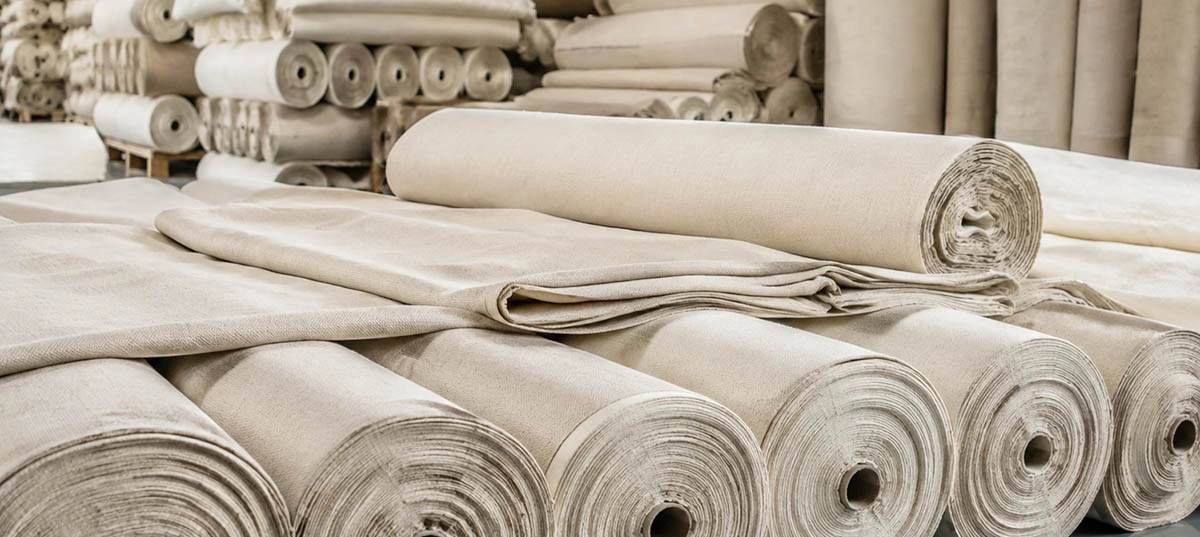
Quais são os principais tipos de tecido de lona, incluindo a lona de algodão?
Para atacadistas e fabricantes, os tipos de lona se resumem a uma trama mecânica bem fechada, com alta densidade de fios, além da fibra e do peso, e não apenas ao nome; essa estrutura determina a durabilidade e a textura característica da lona. A seguir, apresentamos as categorias mais comuns em pedidos de compra, com as respectivas vantagens e desvantagens que influenciam a seleção:
| Tipo de tela | Base de fibra | Peso típico | Aplicação B2B mais adequada | Custo relativo |
|---|---|---|---|---|
| Tela lisa | Algodão/poliéster | 7–15 onças | Lonas, panos de proteção, coberturas em geral | Baixo |
| Lona de pato | Algodão (tecido fechado) | 10–24+ onças | Bolsas, roupas de trabalho, equipamentos para atividades ao ar livre; suportes para arte, como telas esticadas e painéis de tela. | Baixo-Médio |
| Tela de algodão | 100% algodão | 5–15 onças | Vestuário, sacolas de compras, bases para impressão | Baixo |
| Poliéster/lona de algodão e poliéster | Mistura de poliéster | 6–18 onças | Faixas, capas de alta resistência, toldos; a lona mista combina fibras sintéticas e naturais para maior durabilidade. | Baixo |
| Tela de linho | Linho | 7–15 onças | Tela de artista premium, estofamento | Alto |
| Lona de cânhamo | Cânhamo | 10–20 onças | Produtos resistentes e ecologicamente corretos | Alto |
| Tela de juta | Juta | 8–16 onças | Superfícies de técnicas mistas, aplicações de arte rústica | Médio |
-
Tela lisa Possui uma trama mais grossa e aberta, utilizada onde o custo e a cobertura são mais importantes do que o acabamento.
-
Lona de Pato é tecido de forma mais apertada e densa para uma superfície mais lisa e resistente, sendo a opção padrão para bolsas e vestuário de trabalhoEm termos de materiais artísticos, a tela de algodão também é uma alternativa mais econômica ao linho.
-
Tela de algodão é a mais comum e econômica tipo de tecido de lona, equilibrando custo, imprimibilidade e toque; o algodão deriva da planta do algodão, enquanto o linho vem do linho, portanto são duas plantas completamente diferentes.
-
Lona de poliéster/algodão Troca-se parte da textura natural por maior resistência à tração e melhor resistência às intempéries; para uso externo, a lona é naturalmente resistente à água, mas geralmente recebe um revestimento adicional de materiais sintéticos, como PVC ou PU, e a produção de PVC libera ftalatos tóxicos no meio ambiente.
-
Lona de linho e cânhamo Situam-se no segmento premium, escolhidos pela sua durabilidade, rigidez ou posicionamento ecológico; o linho é frequentemente visto como um material de qualidade superior para suportes de pintura, e a tela de linho é particularmente adequada para tinta a óleo.
A lona orgânica é mais ecológica do que as opções revestidas de PVC, enquanto a produção convencional de fibras pode envolver produtos químicos agrícolas tóxicos que prejudicam os ecossistemas.
Uma tela devidamente preparada cria uma superfície estável para pintura e ajuda a evitar que a tinta a óleo danifique as fibras; a tela foi popularizada como meio de pintura no Renascimento e, no final do Renascimento, tornou-se o suporte mais popular, com artistas venezianos frequentemente utilizando lona de vela veneziana, facilmente disponível, para pintar.
Como classificar o tecido de algodão grosso de alta resistência por peso?
A lona de algodão é classificada por um sistema numérico inverso ao peso: um número menor significa um tecido mais pesado e resistente. Esta é uma das especificações mais mal interpretadas na escolha de lonas, portanto, confirme o número. e O peso em onças antes de você cotar. A tabela abaixo mapeia a faixa comum de peso que os compradores usam para fazer pedidos.
| Número do pato | Peso aproximado (oz/yd²) | Uso típico |
|---|---|---|
| #12 | ~11.5 onças | Bolsas leves, aventais, capas |
| #10 | ~14.75 onças | Sacolas de compras, roupas de trabalho leves |
| #8 | ~18 onças | Mochilas pesadas, equipamentos para atividades ao ar livre |
| #4 | ~24 onças | Tendas, lonas, coberturas industriais |
Como os termos "duck" (lona de lona) e "canvas" (lona comum) são usados como sinônimos no mercado, sempre especifique o peso em onças (oz) ou gramaturas (GSM) mais o acabamento, e não apenas o nome. Em nossa experiência, essa informação na ficha técnica evita a maioria dos pedidos repetidos por incompatibilidade de peso.
Lona de algodão ou poliéster: qual escolher?
Em resumo: a lona de algodão proporciona um toque natural e absorve bem a tinta e a cera, enquanto a lona de poliéster (ou algodão-poliéster) é mais resistente, leve e durável, com preço similar; a lona mista combina fibras naturais e sintéticas para maior durabilidade. As versões em poliéster podem atingir aproximadamente [inserir valor aqui]. duas vezes a resistência à tração de lona de algodão comparável, razão pela qual predominam em banners, toldos e coberturas pesadas.
| Tela de algodão | Lona de poliéster/mista | |
|---|---|---|
| Resistência à tração | Boa | Maior (≈2× algodão) |
| Comportamento da água | Absorve, a menos que seja tratado. | Galpões, baixa absorção |
| Tato/sensação | Natural, amacia com o uso. | Mais elegante, mais uniforme |
| Tinta/estampa | Excelente | Boa |
| Melhor uso | Bolsas, vestuário, bases para impressão | Faixas, toldos, lonas, capas |
Se o cliente deseja um aspecto e toque naturais, solicite um orçamento para algodão ou poliéster-algodão; o aumento da popularidade da tinta acrílica também contribuiu para que a tela de algodão se tornasse mais comum na arte moderna. Se a prioridade for a relação resistência/peso e a resistência às intempéries, o poliéster é a melhor opção. Confirme qual você prefere antes de calcular o custo do pedido.
Onde se utiliza a lona? (Industrial, para bolsas, moda e pintura)
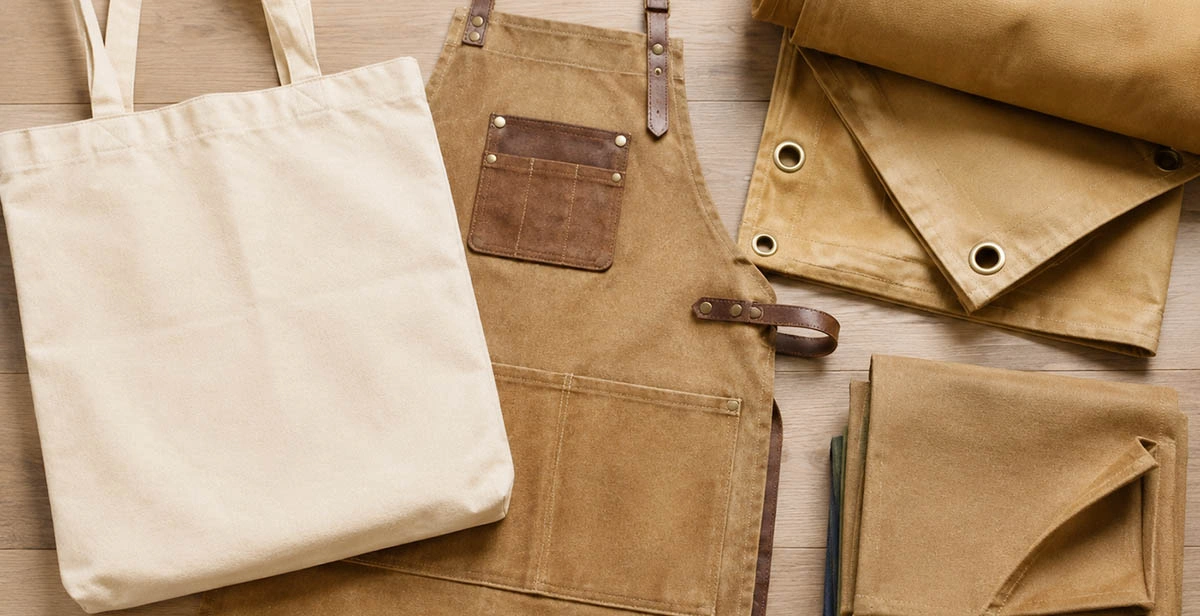
A lona se destaca sempre que um produto precisa resistir ao manuseio, às intempéries ou ao peso. Para um comprador, a vantagem é que uma única base de lona pode atender a diversas linhas de produtos simultaneamente, consolidando pedidos e melhorando o preço por metro.
-
Bolsas e bagagens — sacolas, mochilas, bolsas de viagem; padrões de pato para estrutura combinados com acessórios para bolsas e bagagens para pedidos em atacado.
-
Roupas de trabalho e aventais — algodão resistente à abrasão, Tecido Oxford impermeável 600D*600D com revestimento em PUe poliéster-algodão.
-
Equipamento para atividades ao ar livre — tendas, lonas, toldos e canoas de madeira e lona para impermeabilização; Lona de PVC impermeável 600D e outros tipos de revestimento ou gramaturas elevadas.
-
Calçado — Cabedal em lona de algodão para calçados casuais e vulcanizados.
-
Casa e decoração — estofados, capas para móveis, capas de almofada e acessórios de cortina.
-
Imprimir e exibir — banners e arte de parede em bases de poliéster ou algodão, com reproduções frequentemente feitas por meio de impressão digital a jato de tinta por impressoras digitais especializadas.
-
Uso histórico — A tela também era usada como camada de cobertura sobre uma superfície de madeira, incluindo a aplicação de tela com gesso sobre o corpo de um escudo de madeira; esses escudos eram frequentemente ricamente pintados e finalizados com verniz transparente.
Obtenção de material de lona da MH (Visão geral do fornecedor)
MH (Ningbo MH), estabelecido em 1999A empresa opera nove fábricas em uma área de aproximadamente 350,000 m², com mais de 3,000 funcionários, e mantém parcerias de longo prazo com mais de 2,000 fabricantes, oferecendo cerca de 10,000 materiais e tecidos para confecção. Essa abrangência permite que um fabricante de bolsas, um produtor de barracas ou um importador consolide lona, linha, fitas, zíperes e aviamentos em um único fornecedor, em vez de gerenciar uma dúzia deles.
Para fabricantes de vestuário, produtores de bolsas e equipamentos e importadores, trabalhar com um fornecedor desta escala significa:
-
Lotes consistentes — Lona de algodão, algodão-poliéster e poliéster, tecida com peso e toque consistentes em novas encomendas.
-
Materiais completos — combine a tela com a linha correspondente, linha de costura por atacadoFitas, rendas, laços e zíperes da mesma fonte.
-
Experiência em logística global — um fornecedor que já envia produtos para mais de 150 países e possui credenciais comerciais reconhecidas ("Top 500 da Indústria de Serviços da China", "Empresa de Confiança AAA").
-
Especificações personalizadas — Fibra, gramatura (GSM), largura, acabamento e cor especificados de acordo com suas necessidades de produção, com quantidade mínima de pedido (MOQ) discutida previamente.
Se estiver comparando orçamentos de lona, peça a qualquer fornecedor informações por escrito sobre a base da fibra, gramatura (em onças ou g/m²), acabamento, largura, cor, quantidade mínima de pedido (MOQ) e prazo de entrega. A equipe da MH fornece orçamentos considerando essas mesmas variáveis para que você possa comparar opções semelhantes. Navegue pela nossa linha de tecidos de lona ou contato MH Para um orçamento baseado em especificações.


Perguntas frequentes
A lona é um tecido ou uma trama?
A tela é um tecido de trama simples, não uma fibra. Ela é definida por fios grossos entrelaçados em um padrão simples de sobreposição, o que lhe confere resistência e opacidade. A mesma trama pode ser feita de algodão, poliéster, algodão-poliéster, linho ou cânhamo, razão pela qual o termo "tela" sozinho nunca descreve completamente um material em um pedido de compra. Muitos artistas profissionais ainda optam pelo linho ou preparam suas próprias telas, especialmente aqueles que desejam maior controle sobre a superfície da pintura.
Qual o melhor tipo de lona para bolsas e roupas de trabalho?
Tecidos de algodão e algodão misto, com gramaturas entre 10 e 18 oz, oferecem o melhor equilíbrio entre resistência, durabilidade e estrutura para bolsas e roupas de trabalho. Já a lona mista pode melhorar a durabilidade quando se busca um toque natural e, ao mesmo tempo, maior resistência. Tecidos mais pesados (18 a 24+ oz) são ideais para barracas e coberturas industriais, enquanto a lona de algodão mais leve é adequada para sacolas e bases para impressão.
Lona de algodão ou de poliéster, qual é mais resistente?
As lonas de poliéster e algodão misto são geralmente mais resistentes e duráveis, atingindo aproximadamente o dobro da resistência à tração de uma lona de algodão comparável, com menor absorção de água. O algodão oferece um toque mais natural e absorve bem cera e corantes. Escolha com base em se a relação resistência/peso ou o toque natural são mais importantes para o produto final.
Que informações preciso para encomendar tela de um fornecedor?
Especifique a base da fibra (algodão/poliéster/poliéster-algodão/linho/cânhamo), o peso em onças ou gramaturas (mais o número de resistência, se relevante), o acabamento (cru, revestido, encerado, repelente à água, tingido/estampado), a largura, a cor, a quantidade mínima de encomenda (MOQ) e o prazo de entrega. Fornecer essas informações antecipadamente permite que um fornecedor como a MH faça orçamentos precisos e mantenha lotes consistentes em pedidos subsequentes.
Resumo
A lona é um tecido plano e flexível que abrange desde uma base leve de algodão para sacolas até uma capa industrial de 24 oz, além de bolsas para servir, roupas de trabalho, equipamentos para atividades ao ar livre, calçados e estampas.
Página de recursos
- O guia completo para tecido de poliéster Canvas
- Tecido Canvas com Estampas: O Guia Completo de Padrões e Aplicações
- Espessura do tecido de lona: seu guia completo de peso
- Canvas vs. Sarja: Um Guia Completo de Comparação de Tecidos
- Tecido de lona leve: o guia definitivo para fabricantes
- Tecido de lona amarela: o guia completo
- Tecido de lona vermelha: o guia definitivo para materiais duráveis
- Tecido de lona colorido: seu guia completo para materiais duráveis
