
Sofá em tecido chenille: um guia de especificações e fornecimento B2B
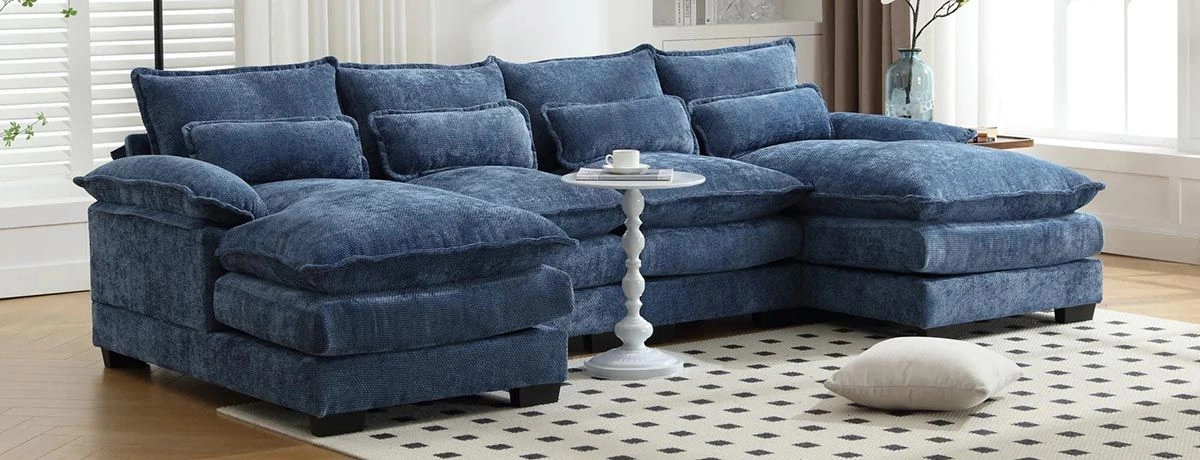
A tecido chenille Um sofá de chenille é um sofá estofado em chenille: um tecido trançado feito de fios felpudos torcidos entre fios centrais, o que confere à superfície um toque macio, um brilho sutil e uma textura durável para estofamento. Essa construção dá ao sofá de chenille sua maciez e profundidade de cor, mas o desempenho do sofá depende das especificações exatas.
Para fabricantes de móveis, atacadistas de estofados e importadores de móveis, o tecido que importa é definido por sua mistura de fibras, gramatura, base e resistência à abrasão, e não apenas pela palavra "chenille". A especificação correta do chenille afeta o toque, a durabilidade, a consistência da cor e o valor geral.
O que é tecido chenille? (Definição)
O chenille é definido pelo seu fio, não pela sua fibra. Pequenas mechas de pelo são entrelaçadas entre dois fios centrais torcidos, fazendo com que as fibras se destaquem em todos os lados. Isso confere ao tecido final uma superfície macia e aveludada que reflete a luz e muda de cor conforme o olhar. Como o pelo pode ser fiado de poliéster, acrílico, algodão, viscose ou uma mistura desses materiais, a mesma etiqueta "chenille" pode se referir a um tecido decorativo de US$ 4 por metro ou a um tecido de estofamento premium para uso comercial. A trama e o pelo permanecem os mesmos; a mistura de fibras é o que altera o preço, a durabilidade e os cuidados necessários para a sua conservação.
Como é fabricado o tecido de chenille para estofamento?
O fio de chenille é criado primeiro e depois tecido. Os fios de pelo são cortados em tufos curtos, presos entre dois fios centrais e torcidos de forma que os tufos se espalhem para fora; essa "lagarta" macia é o fio de chenille. Tecido em um tecido de estofamento, geralmente sobre uma base estável, o pelo forma a superfície tátil, enquanto a base e o forro conferem a resistência. A direção do pelo é o que faz com que o chenille apresente um brilho sutil em dois tons e por que os painéis cortados devem ser dispostos da mesma maneira ("com a felpa") na produção para manter a cor consistente em todo o sofá, assim como a direção consistente da felpa é importante para... Tecidos de poliéster-viscose para ternos.
O chenille pode ser tecido a partir de diversas bases de fibras, e cada uma altera o perfil comercial, assim como diferentes construções como tecido de chiffon para aplicações na moda, atendendo a mercados distintos:
| Base de fibra | Toque e brilho típicos | A durabilidade | Uso comum em B2B | Custo relativo |
|---|---|---|---|---|
| Chenille de poliéster | Macio, brilhante, com cores estáveis. | Alta resistência à abrasão, fácil manutenção | Linhas de sofás e conjuntos modulares de grande volume | Baixo-Médio |
| Acrílico / mistura de acrílico | Macio, semelhante à lã, resistente ao desbotamento. | Bom, resistente aos raios UV. | Varanda envidraçada, espaço interno-externo | Médio |
| Algodão / mistura de algodão | Acabamento fosco natural, respirável. | Moderado, pode tomar comprimidos | Residencial tradicional de alto padrão | Médio |
| Mistura de viscose | Brilho profundo, sedoso | Lavagem a seco na parte inferior | Decoração de luxo e com toques especiais | Médio-alto |
Quais especificações são importantes na hora de escolher o tecido chenille para sofás?
A palavra "chenille", por si só, não diz quase nada a um fornecedor. O que define um pedido de tecido para sofá é uma breve lista de especificações mensuráveis: mistura de fibras, gramatura do tecido, largura, tipo de base, resistência à abrasão e solidez da cor. Inclua essas informações no pedido de compra e os lotes permanecerão consistentes em novos pedidos; omita-as e você corre o risco de ter lotes de tingimento diferentes, costuras frágeis ou um tecido que forma bolinhas após uma temporada.
| Spec | Gama típica de sofás | Por que é importante |
|---|---|---|
| Peso (GSM) | 250–400 g/mXNUMX | Mais pesado = mais estrutura e durabilidade para os assentos |
| Largura | 140-300 cm | Acionamentos de rendimento e layout de corte |
| Apoiar | Látex tecido/malhado/acrílico | Aumenta a estabilidade dimensional e a resistência das costuras. |
| Abrasão (Martindale) | 15,000 a 30,000+ esfregações | Adequação dos conjuntos para uso doméstico versus uso intenso/contratual |
| Solidez da cor (luz/fricção) | Meta de nível 4-5 | Resiste ao desbotamento e à transferência de cor. |
| Composição | Por exemplo, 100% poliéster ou mistura de poliéster/acrílico/algodão. | Determina o cuidado, o preço e a sensação. |
Em nossa experiência, o erro mais comum na escolha do fornecedor é a abrasão. Um tecido chenille de gramatura decorativa, próprio para almofadas, é encomendado para os painéis dos assentos e se desgasta em poucos meses. Confirme a classificação Martindale por escrito antes de fornecer um orçamento para o seu sofá.
Por que os fabricantes escolhem o chenille para sofás?
O chenille conquista seu lugar em linhas de sofás por três razões práticas: toque agradável, durabilidade e profundidade de cor. A superfície aveludada proporciona uma sensação macia e aconchegante, o que agrega valor às vendas. Tecido sobre uma base estável, o chenille de qualidade para estofamento resiste bem ao desgaste diário; muitos modelos de sofás apresentam classificação Martindale entre 15,000 e 30,000 ciclos. E como o chenille reflete a luz, um único tecido base pode ser tingido em uma ampla gama de cores consistentes sem alterar a sua construção.
-
Mão macia e aveludada — o empilhamento dos fios proporciona uma superfície aconchegante e convidativa que os compradores podem sentir no showroom.
-
Forte resistência à abrasão — uma trama densa e um suporte estável resistem ao uso diário do assento, embora aplicações de alta resistência, como equipamentos táticos, exijam tecidos laminados Cordura ao invés.
-
Cores ricas e mutáveis — a direção das fibras cria uma sutil profundidade bicolor em todo o painel.
-
Misturas versáteis — poliéster para valor e durabilidade, acrílico para resistência ao desbotamento, algodão para um toque natural, conceito semelhante a Tecidos de sarja de poliéster-algodão usados em roupas de trabalho.
Chenille versus outros tecidos para estofamento
Os compradores raramente escolhem o chenille isoladamente; eles o avaliam em conjunto com outros fatores. Tecido de estofamento de veludo holandêsLinho e tecidos planos para o mesmo programa de sofás. Resumindo: o chenille oferece uma superfície mais macia e flexível do que os tecidos planos e maior durabilidade no dia a dia do que a maioria dos linho, enquanto o veludo tem um ar mais formal e mostra marcas de amassados e tráfego com mais facilidade.
| Chenille | Veludo | Tecido com aparência de linho | |
|---|---|---|---|
| superfície | Macio e texturizado | Pelo curto e denso, formal | Textura plana e natural |
| A durabilidade | Alto (dependente da mistura) | Moderado, mostra esmagamento | Moderado, pode enrugar |
| Profundidade de cor | Brilho intenso em dois tons | Profundo, luxuoso | Suave, natural |
| Cuidados com o Bebê | Fácil (especialmente poliéster) | Maior necessidade de manutenção | Moderado |
| Melhor ajuste | Sofás familiares, sofás modulares | Peças de destaque/complemento | Interiores casuais e descontraídos |
Se um cliente deseja um visual luxuoso com a durabilidade necessária para o estofamento, o chenille geralmente é uma opção mais segura do que o veludo. Confirmar o uso final antes de elaborar o orçamento evita a devolução mais comum de estofados, seja para sofás de chenille para uso interno ou para estofados duráveis. Tecido de Oxford Para produtos mais técnicos.
Obtenção de tecido de chenille para estofamento da MH (Visão geral do fornecedor)
Para fabricantes de sofás, atacadistas de estofados e importadores de móveis, trabalhar com um fornecedor nesta escala significa:
-
Lotes consistentes — tecido de chenille com gramatura, largura e tonalidade consistentes em todos os pedidos, garantindo a uniformidade da linha de sofás.
-
Materiais completos — combine o tecido do estofamento com outros tecidos que combinem. linha de costuraZíperes, fitas e aviamentos da mesma fonte.
-
Experiência em logística global — um fornecedor que já envia produtos para mais de 150 países e possui credenciais comerciais reconhecidas ("Top 500 da Indústria de Serviços da China", "Empresa de Confiança AAA").
-
Especificações personalizadas — Mistura de fibras, peso, largura, suporte, classificação de abrasão, acabamento e design especificados de acordo com suas necessidades de produção, com quantidade mínima de pedido e prazo de entrega discutidos antecipadamente.
Ao comparar orçamentos de chenille, solicite a qualquer fornecedor, por escrito, a composição da fibra, a gramatura (GSM), a largura, o tipo de base, a resistência à abrasão (Martindale), a solidez da cor, a quantidade mínima para encomenda (MOQ) e o prazo de entrega. O chenille para estofamento está disponível em cores sólidas, texturizadas e estampadas, incluindo opções como padrões damasco e jacobino, além de outros detalhes. Tecidos de poliéster super macios para sofás Para linhas de assentos contemporâneas. A equipe da MH faz orçamentos considerando essas mesmas variáveis para que você possa comparar produtos semelhantes.


Perguntas frequentes
O chenille é um tecido ou um fio? O chenille é uma estrutura de fios que é tecida para formar o tecido. Pequenos tufos de pelo são torcidos entre dois fios centrais para criar o fio felpudo "chenille", que é então tecido para produzir o tecido de estofamento. Por ser uma estrutura, o mesmo chenille pode ser feito de poliéster, acrílico, algodão ou uma mistura desses materiais, razão pela qual o termo "chenille" sozinho nunca descreve completamente um material em um pedido de compra.
O tecido chenille é uma boa opção para sofás? Sim, quando especificado corretamente. O chenille de qualidade para estofamento combina um toque macio e aveludado com alta resistência à abrasão; muitos sofás de chenille possuem classificação Martindale de 15,000 a mais de 30,000 ciclos. Muitos sofás de chenille também vêm com capas de almofada removíveis e laváveis, mas o desgaste pode ficar visível em áreas de uso intenso e as fibras podem ser danificadas por arranhões de animais de estimação.
Qual é o chenille mais durável para estofamento? O chenille de poliéster e suas misturas geralmente oferecem o melhor equilíbrio entre durabilidade, estabilidade da cor e facilidade de manutenção para linhas de sofás volumosos. Misturas acrílicas adicionam resistência ao desbotamento para peças expostas ao sol. Aspirar regularmente ajuda a manter a boa aparência. estofamento de chenilleSofás de chenille e outros materiais são vendidos em formatos que variam de dois lugares a sofás modulares. Escolha a fibra de acordo com sua resistência à abrasão e o uso final, em vez de se basear apenas na textura.
Qual deve ser a gramatura (GSM) e a largura do tecido chenille para sofá? O chenille para sofás geralmente tem gramatura de 250 a 400 g/m² e largura de 140 a 300 cm, com base estável. Gramaturas mais altas conferem mais estrutura aos painéis dos assentos; tecidos mais largos melhoram o aproveitamento do corte.
Que informações preciso para encomendar chenille de um fornecedor? Especifique a mistura de fibras, gramatura (GSM), largura, tipo de base, resistência à abrasão (Martindale), grau de solidez da cor, cor/tonalidade, quantidade mínima de pedido (MOQ) e prazo de entrega, e coordene com materiais compatíveis. fio de costura de poliéster As especificações são fornecidas antecipadamente, permitindo que um fornecedor como a MH faça orçamentos precisos e mantenha lotes consistentes em pedidos subsequentes. O tecido chenille pode ser limpo pontualmente com detergente neutro; a lavagem a seco é geralmente recomendada e o tecido de chenille para estofamento não deve ser lavado na máquina.
Conclusão
O apelo do chenille para sofás reside em sua construção flexível, que combina uma superfície macia e que capta a luz com a durabilidade necessária para o assento, em misturas de poliéster, acrílico e algodão que variam de opções econômicas a premium. Para fabricantes de móveis, atacadistas de estofados e importadores, o essencial está na especificação precisa: mistura de fibras, gramatura (GSM), largura, tipo de base e resistência à abrasão, e não apenas na palavra "chenille".
